Easter 2026 Campaign in Ireland and the UK
The non-vegan world needs uncompromising vegan education as much now as it ever did. Not only are animal rights violated by the animal exploiting industries and by the non-vegan population that demands the bodies and lives of sentient beings, the concept of respect and justice for other animals is severely compromised by many of those who claim to advocate for other animals because of lack of faith in those we educate and lack of hope for radical change.
Animal rights is not a complicated topic. It simply means that because other animals are feeling beings, they share our fundamental rights not to be owned, bred to be used as resources, exploited, harmed or killed. Respecting those rights means abolishing animal use from our lives by being vegan. It is not difficult to live vegan and if we transitioned away from using other animals, replacing their use with non-animal and plant products, people would get used to living without using other animals, just as they have always adjusted to changing circumstances.
Respecting animals’ rights also means conceptualising them as beings with minds who can suffer and experience joy, and many other emotions and sensations, at least as much as we can, if not more. After all, their senses are much more acute and sensitive than our human senses. The way they experience their worlds through those senses is therefore likely to be more intense than our experience of the world. Recognising that they are feeling beings is the first step in respecting their rights and is the fundamental precursor to being vegan.
Our human use of other animals causes billions of them to be bred into miserable lives and violently slaughtered to meet our every day demand for animal based food, clothing, personal care, entertainment, research and education. Whenever we celebrate, our use of other animals increases. Easter features ‘spring lamb’, dairy based chocolate and is also associated with chicks, often in the form of boiled and decorated hens’ eggs or artificial chocolate eggs, usually made with dairy milk. Most people think very fondly of baby chickens (chicks). They depict innocence, vulnerability, new life, and birth/rebirth. Yet they, like all farmed animals, are slaughtered in mind boggling numbers every year.
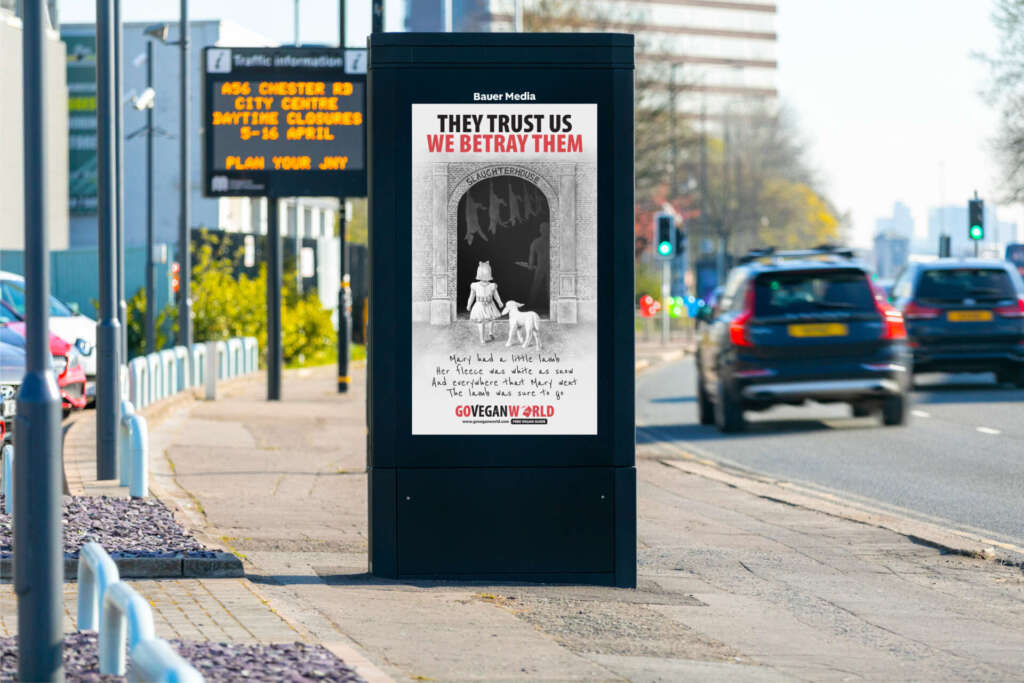
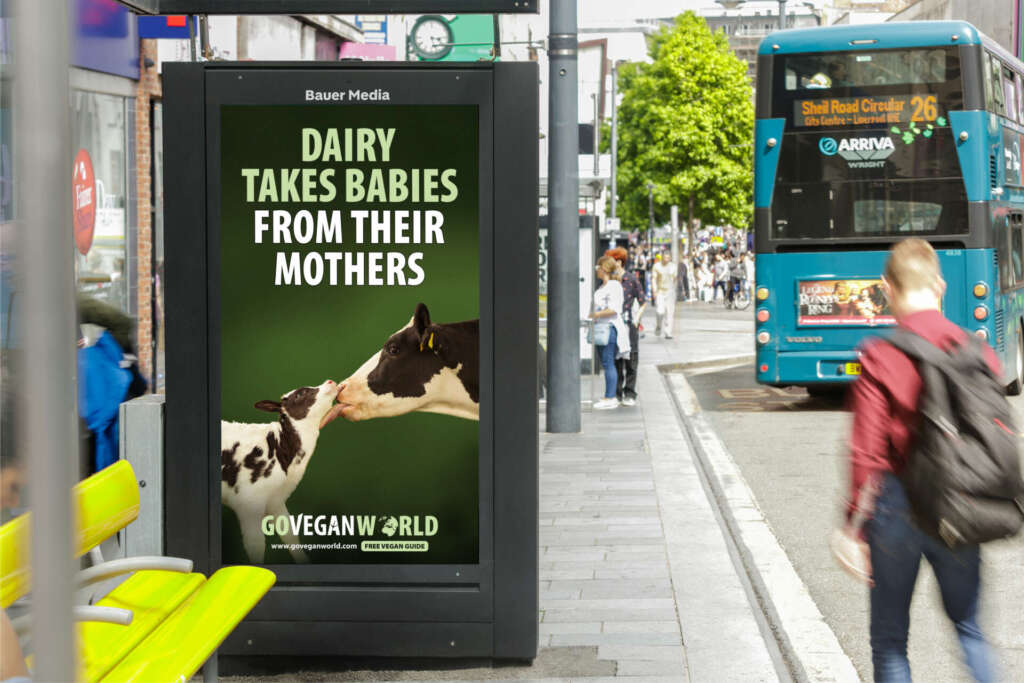
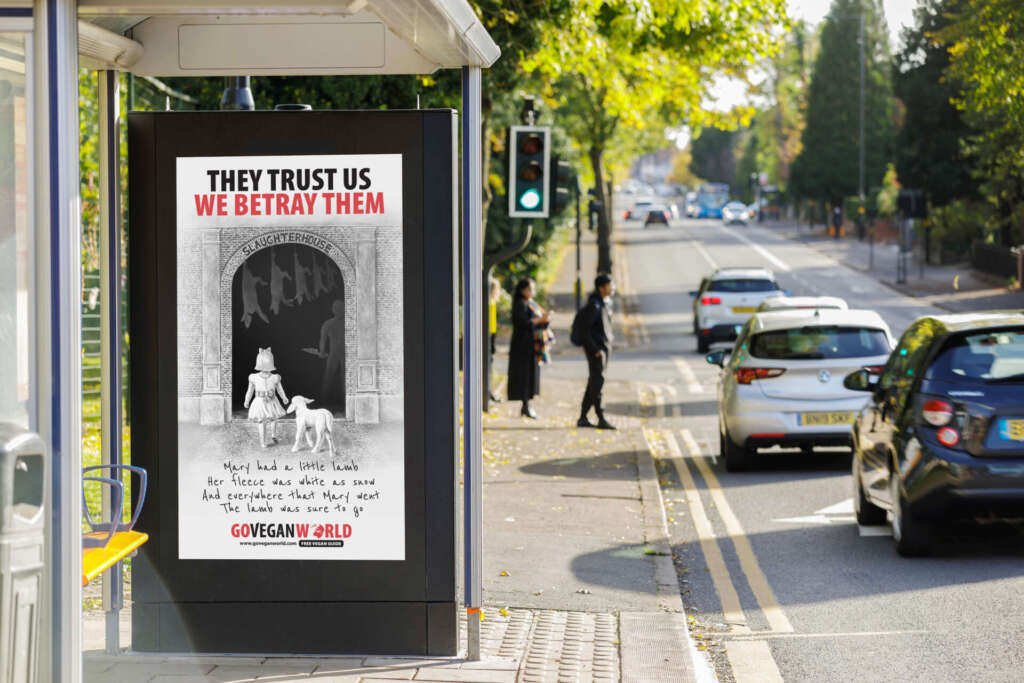
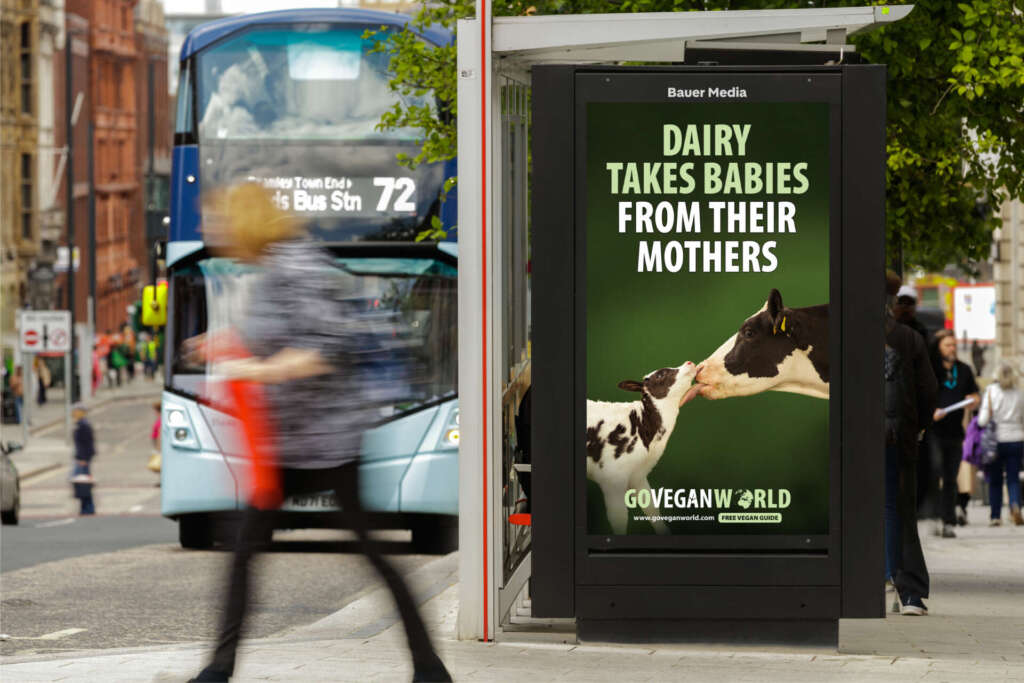
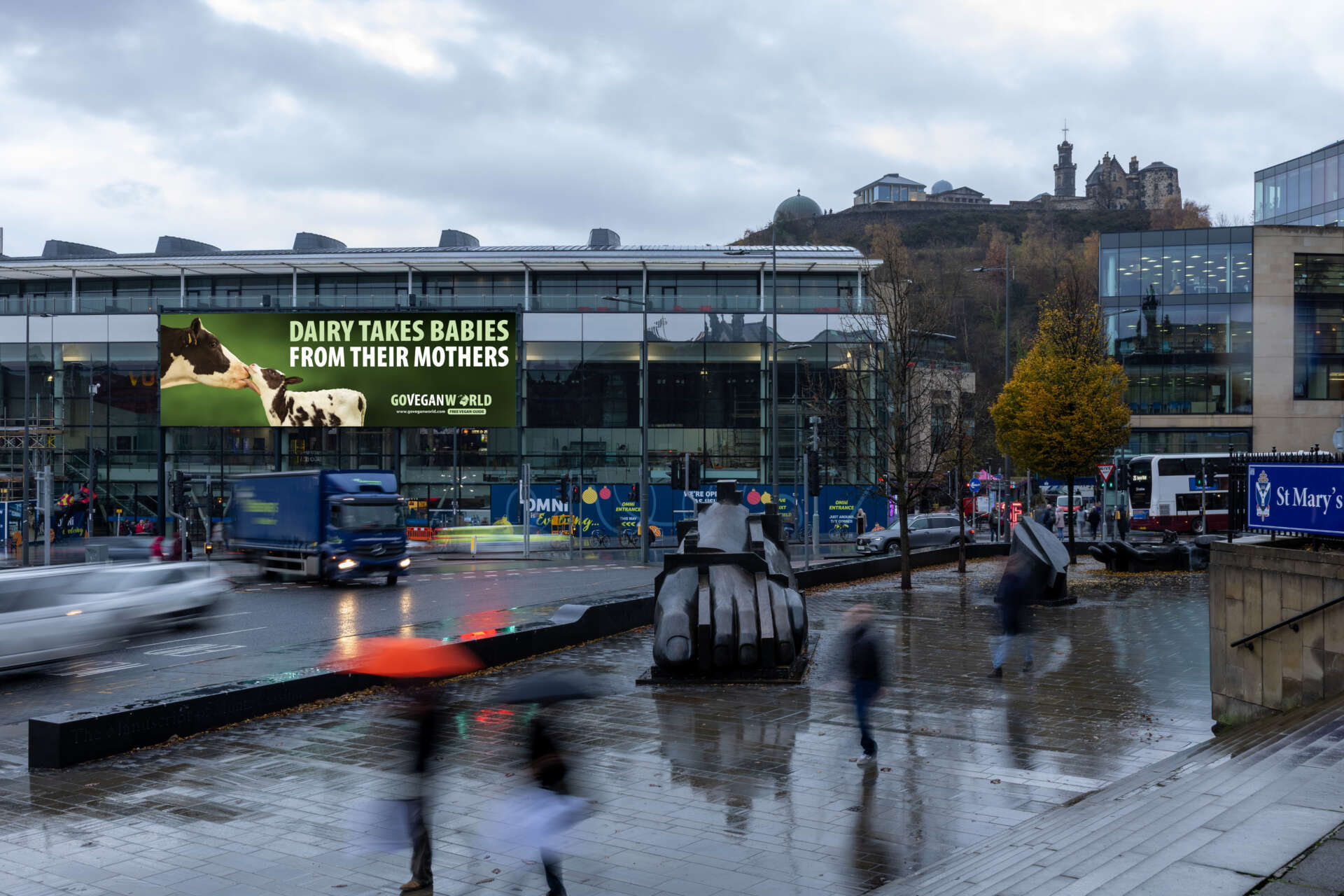
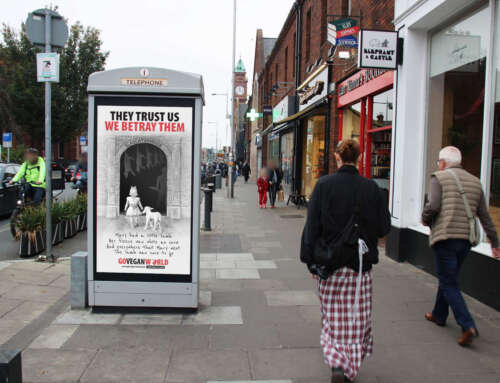
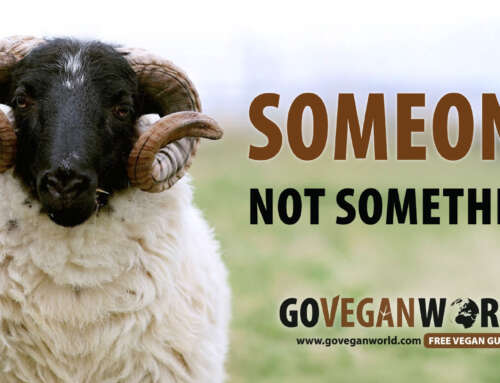
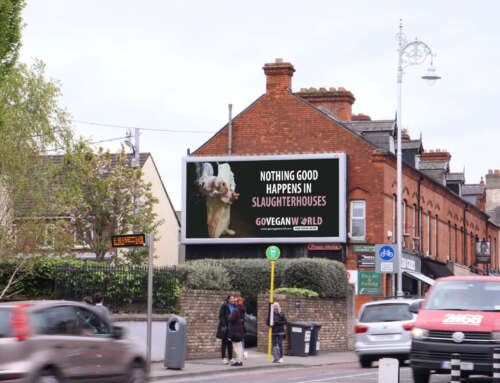
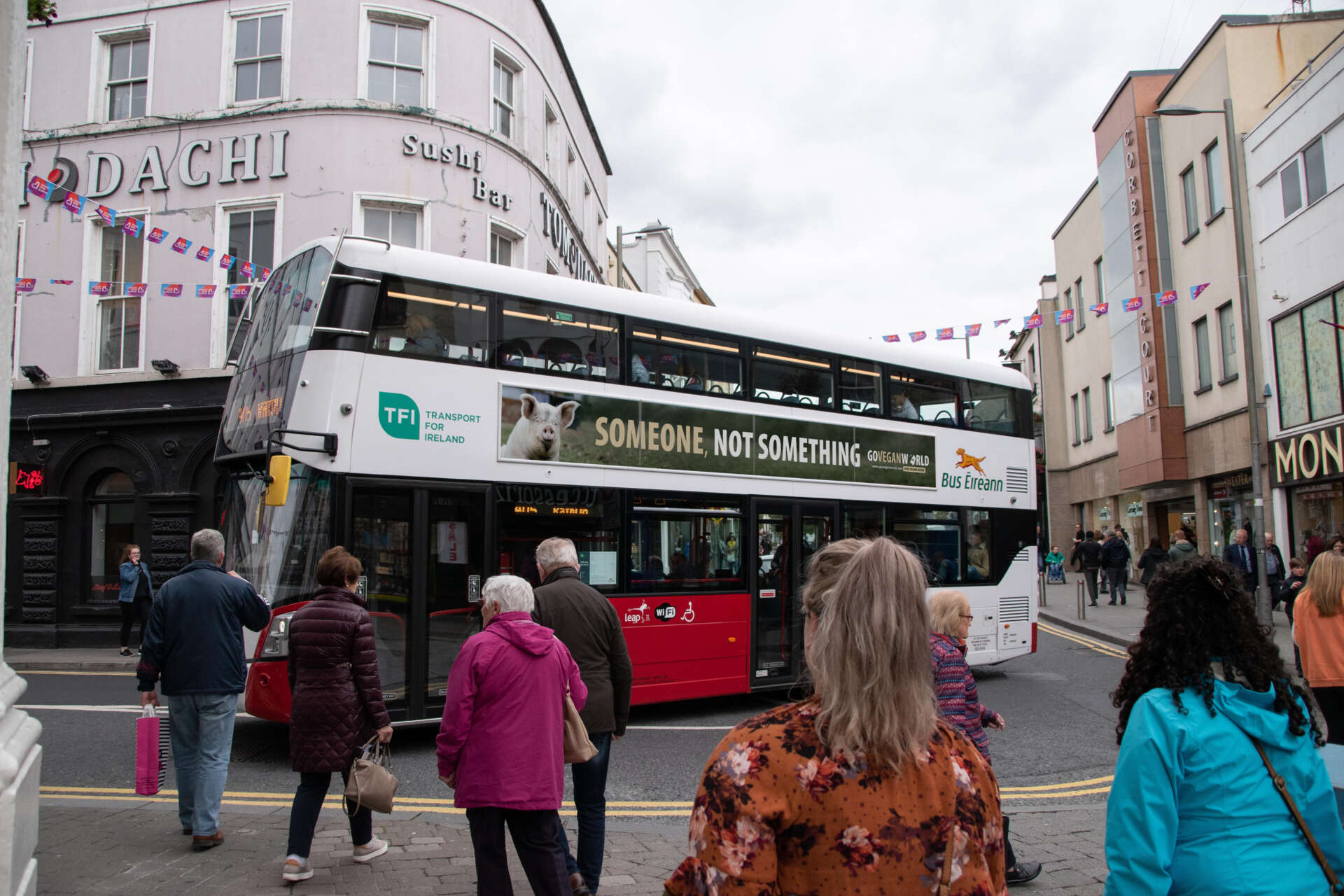
There are many points of discussion that we can engage with in our vegan education efforts, but crucial to every one of them is the fact that other animals are sentient beings like us and it is wrong and unnecessary to use them as resources. They are not inanimate pieces of human property; they are someone, not something. Our Easter campaign uses ads that highlight the unjust use of other animals in the flesh, egg and dairy industries, and presents the animals we use in a way that we hope will encourage members of the public to see them as persons with feelings and rights, challenging their usual representation in our speciesist society as inferior beings and motivating people to be vegan.
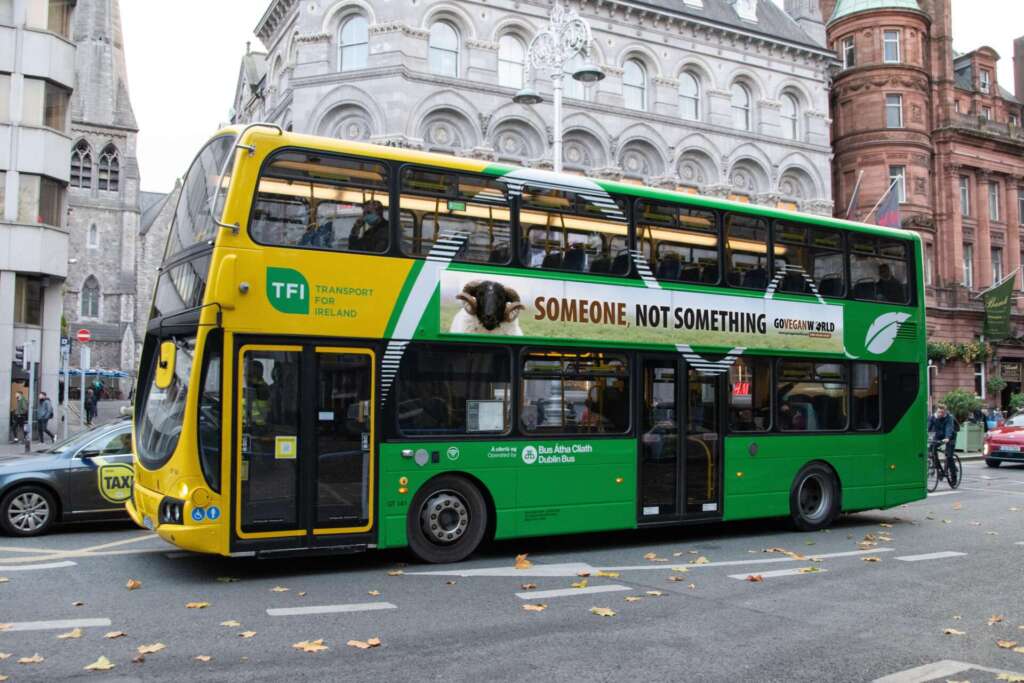
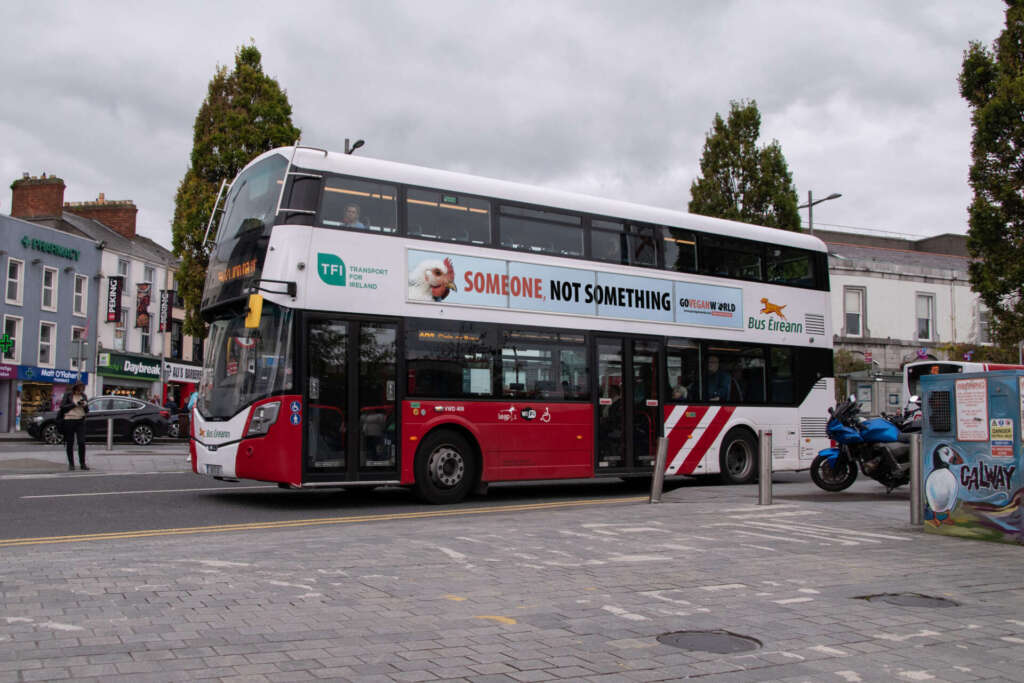
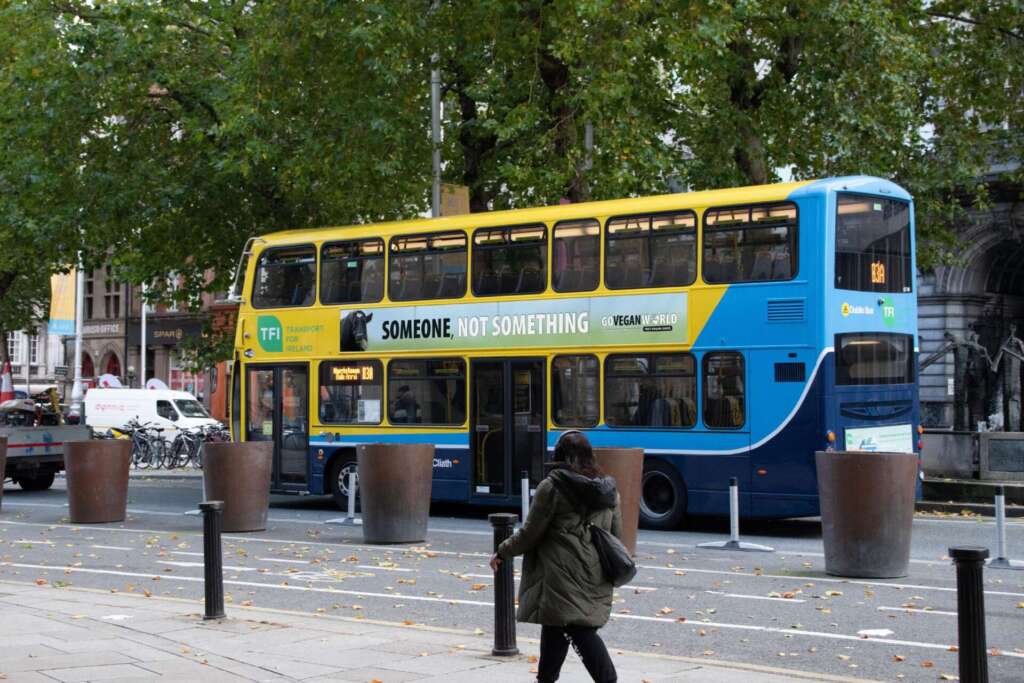
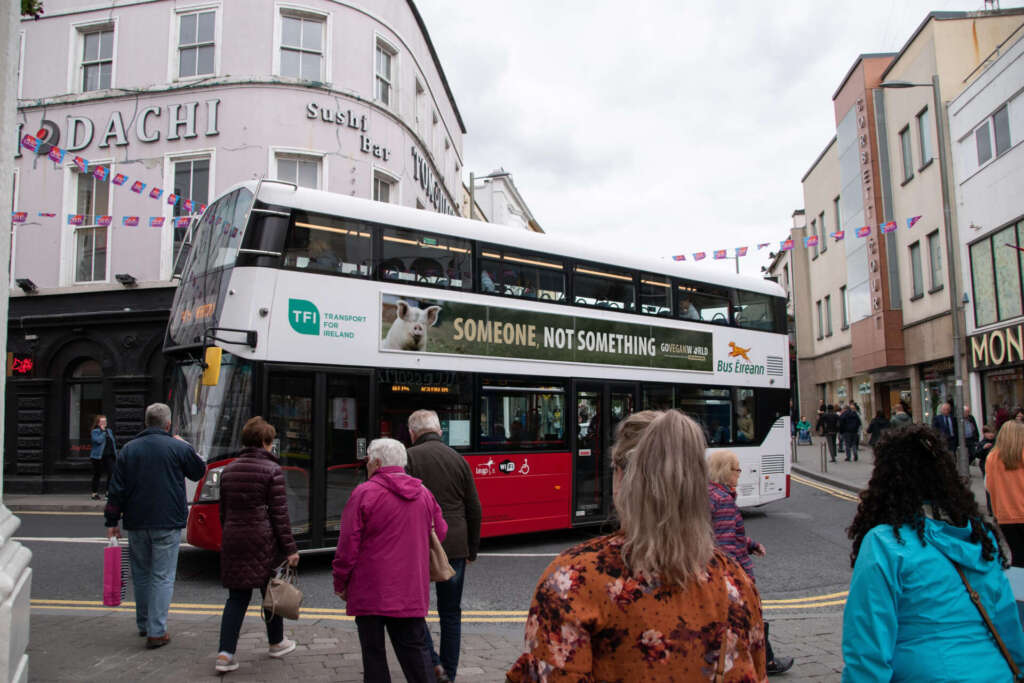
The ads can be seen on streets and buses in Ireland in addition to 192 bus shelter screens in Scotland (Renfrewshire, Glasgow, Motherwell, West & East Lothian, Dundee, Stirling, Aberdeen, Perth, Kirkcaldy, and Dunfermline) and on one of the UK’s largest ad formats in Edinburgh.